Your child tells the story. We turn it into a real book.
They talk to Pip. Pip listens, draws it, and never changes their words. A full color paperback shows up at your door.
- Parent owns the account
- Voice recordings deleted after transcription
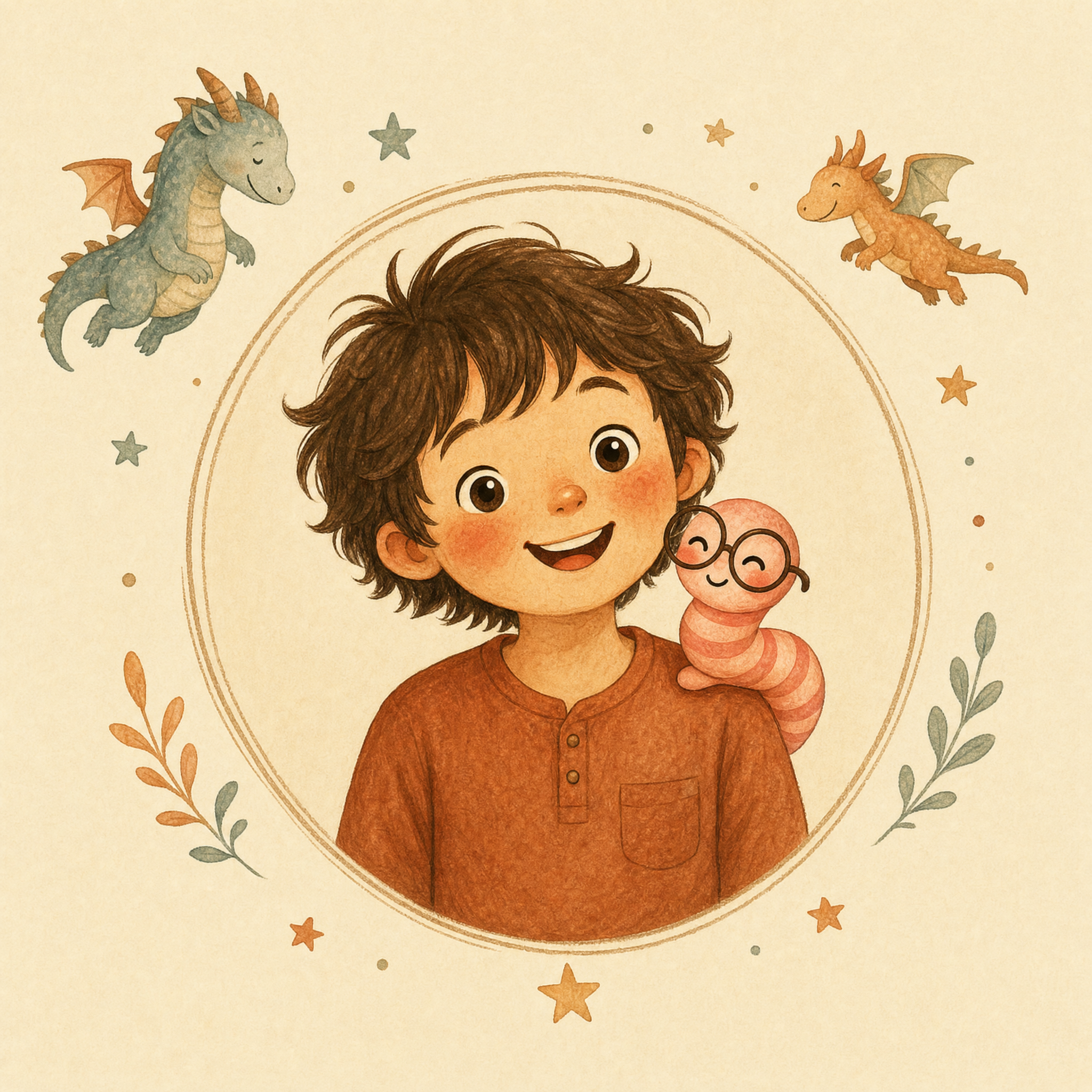
Pip is a bookworm. Your kid just talks to him.
Kids do not fill in forms. They talk. Pip asks one question at a time, waits for the answer, laughs at the right parts, and quietly keeps track of where the story is going. There is no typing. There is no reading required. A three year old can do this without being taught how.
- Talks back out loud, in real time.
- Asks the next question. Never rushes.
- Remembers every character your kid invents.
How it works
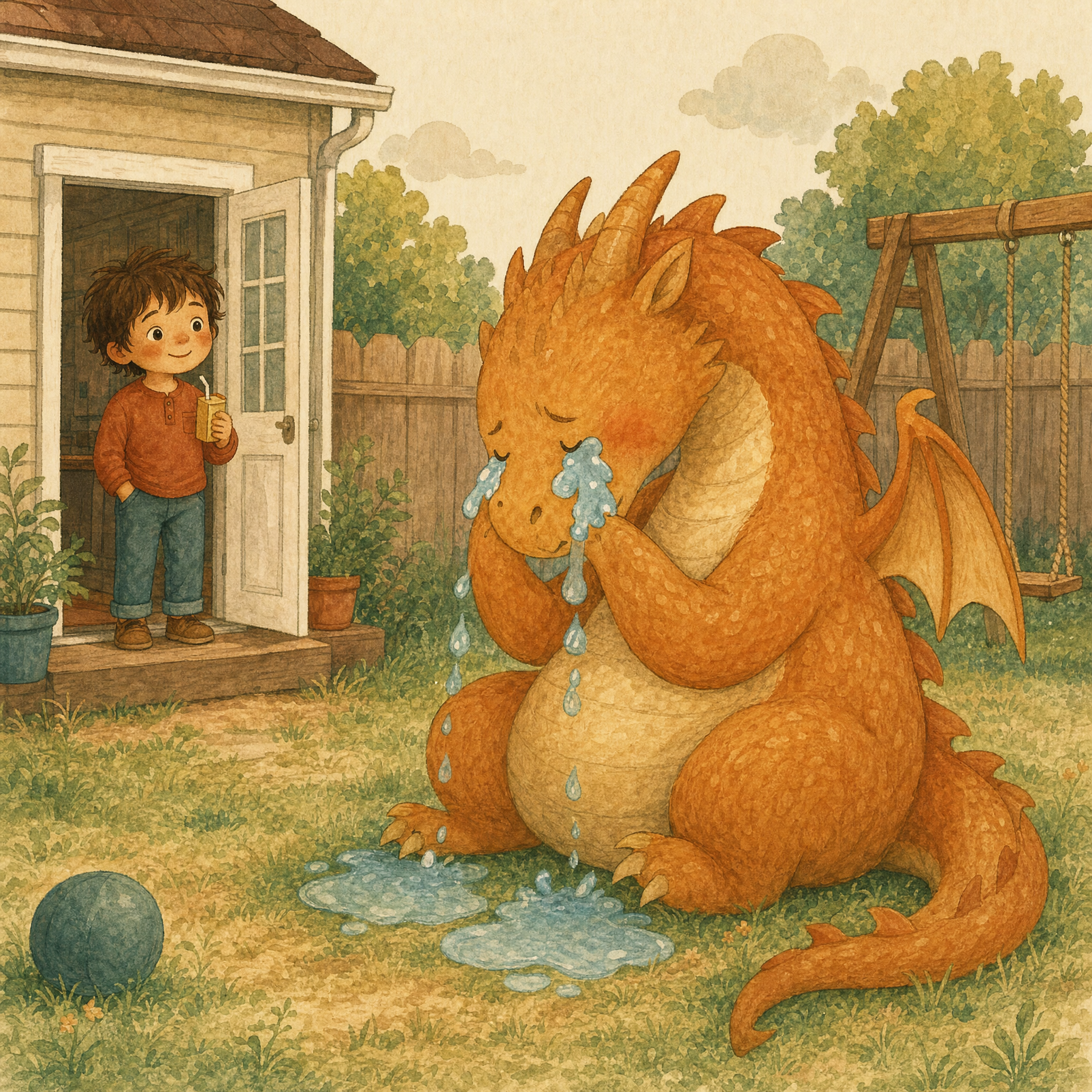
1. Your kid meets Pip.
One big button. Pip says hello and asks what the story is about today.
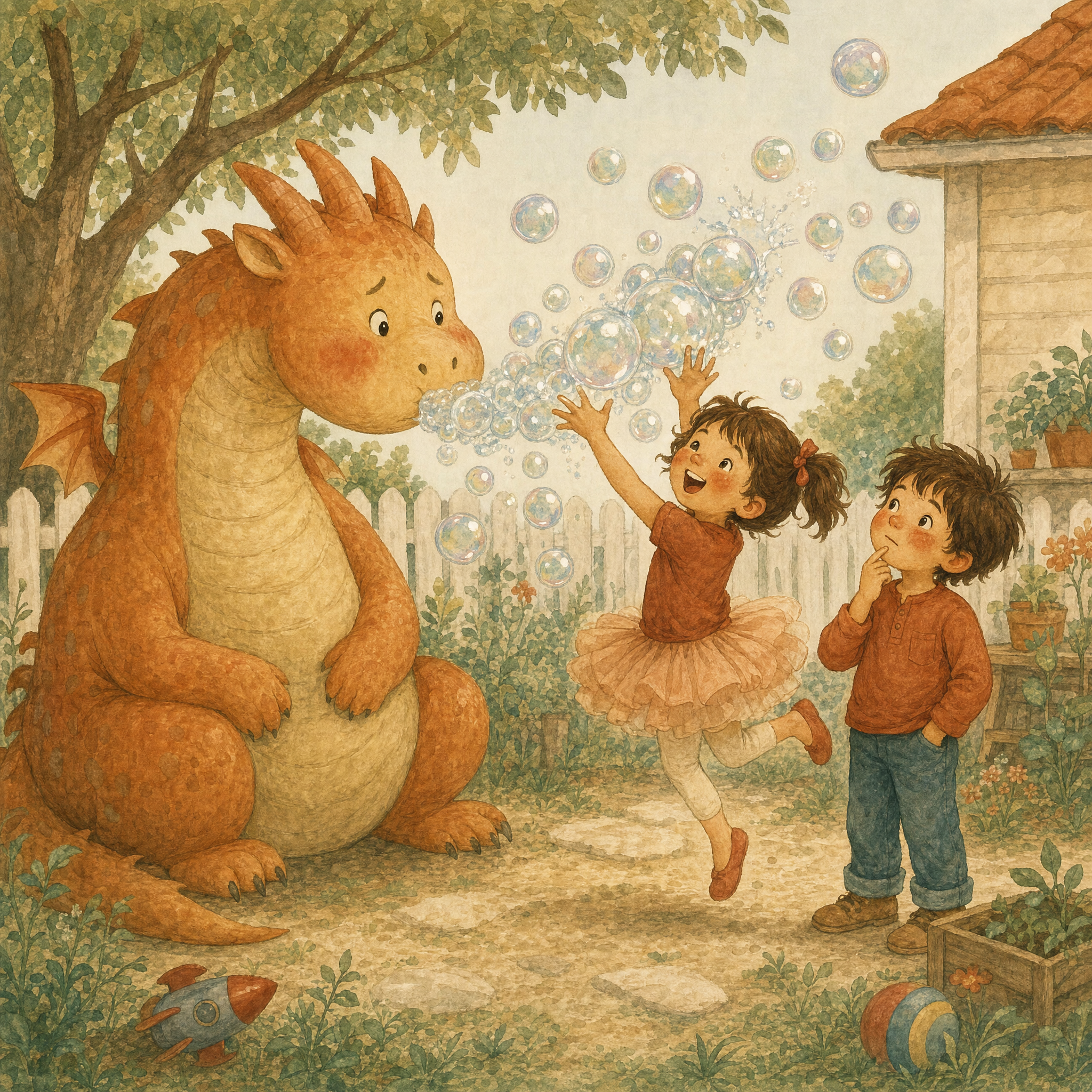
2. They talk. Pip listens.
Every idea becomes a page. Silly words stay silly. Nothing gets tidied into an adult sentence.
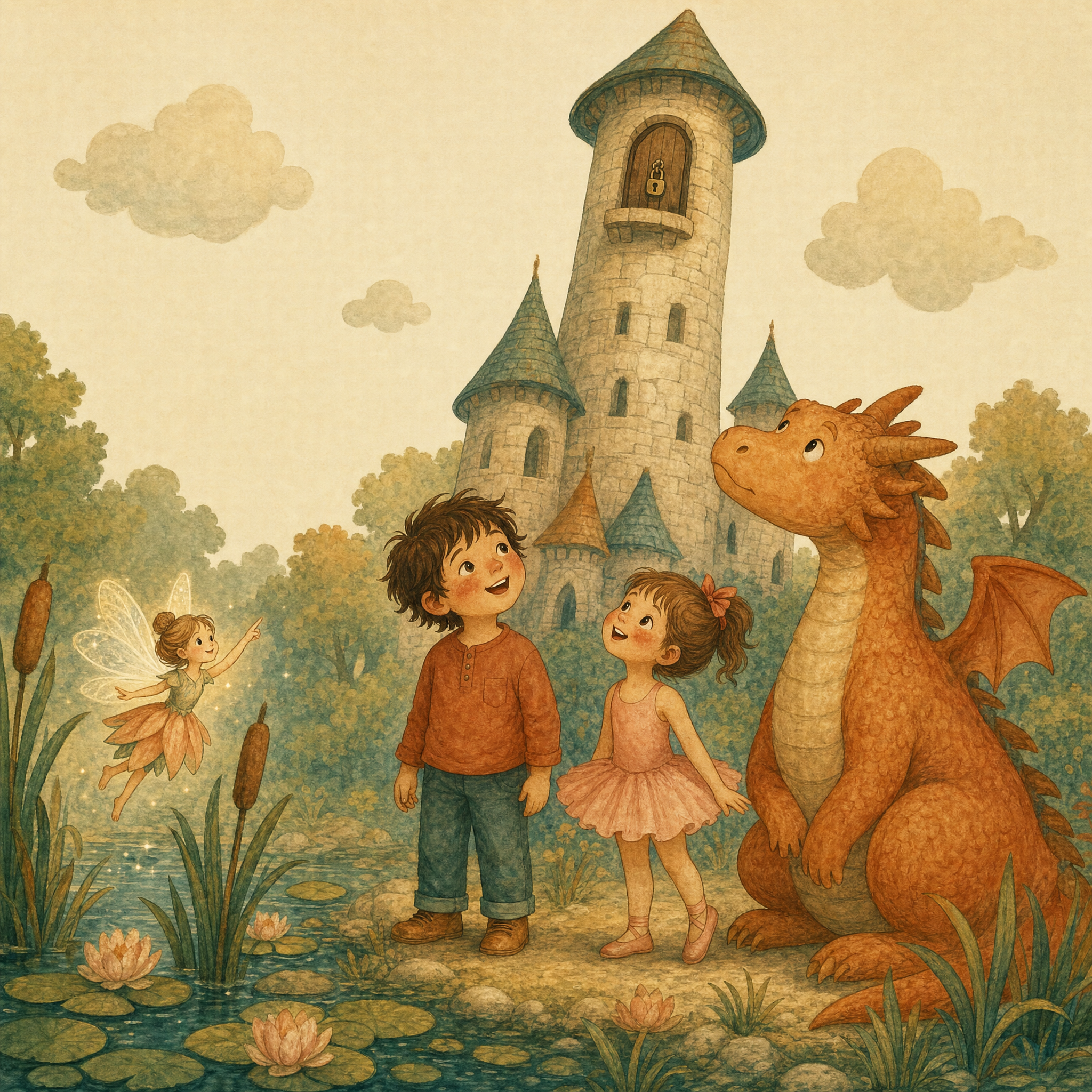
3. The pictures show up while they watch.
Same characters on every page. Your kid can say make the dragon bigger, and it changes.
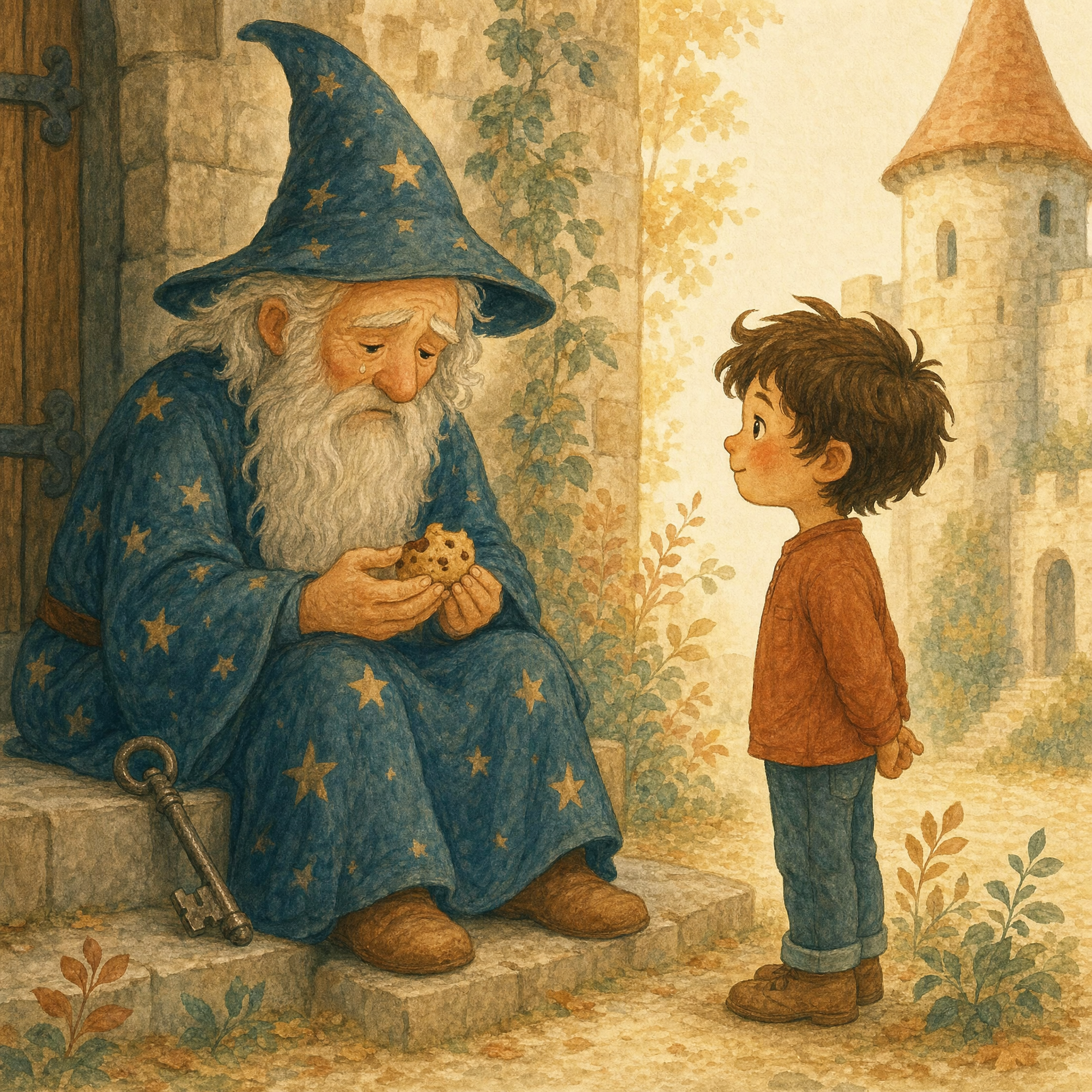
4. You read it before anyone prints it.
Every page, start to finish. Then you write a private note for the inside cover.
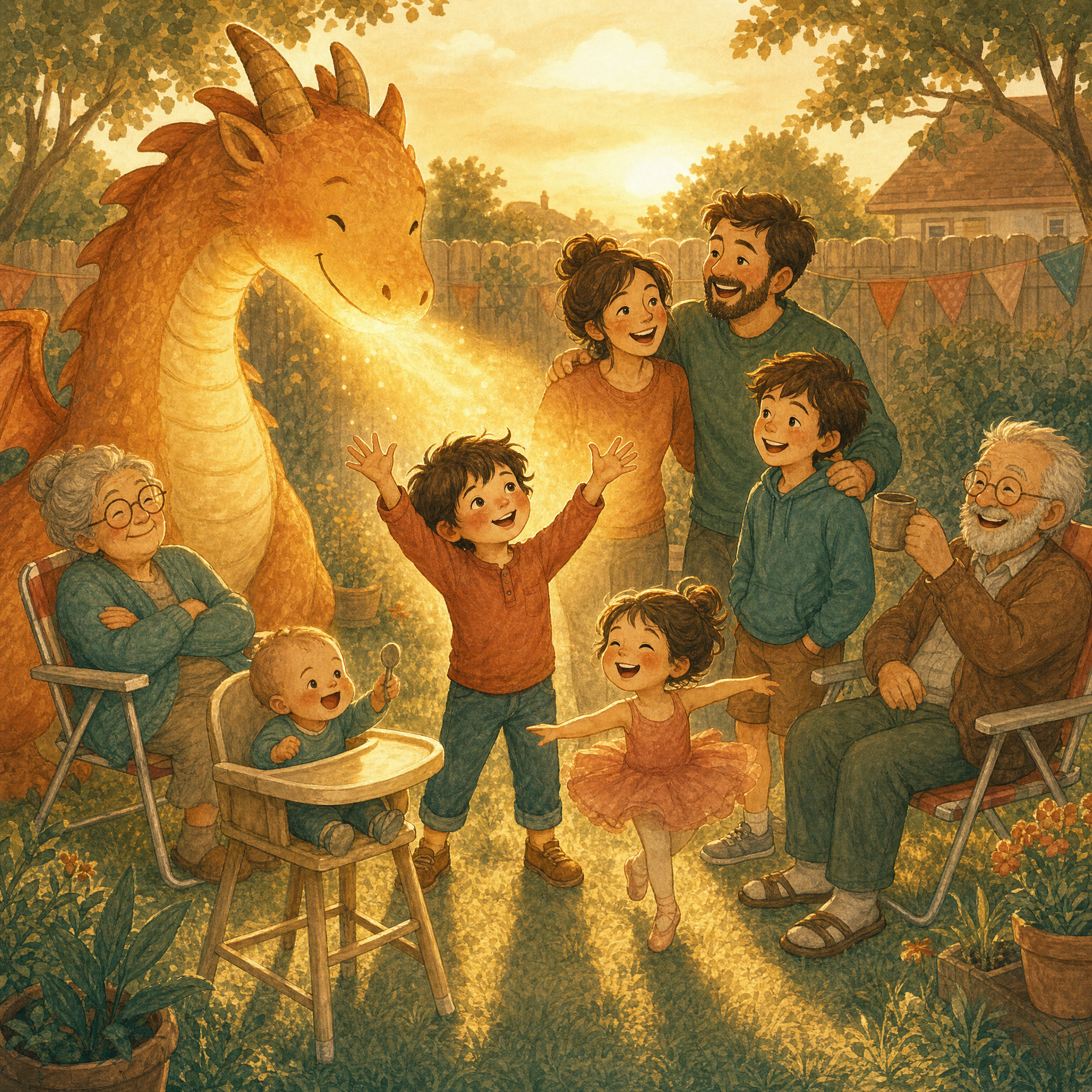
5. It ships.
Full color paperback. One copy, or twenty for the whole family.
Read a real one
This one is by Finn. He is six.
Finn told this story out loud in one afternoon and did not stop once. Grab a page and turn it. Nothing in here was rewritten by an adult, including by us. Pip fixed only the grammar that would trip a reader up when it is read aloud, and left the rest exactly as he said it.
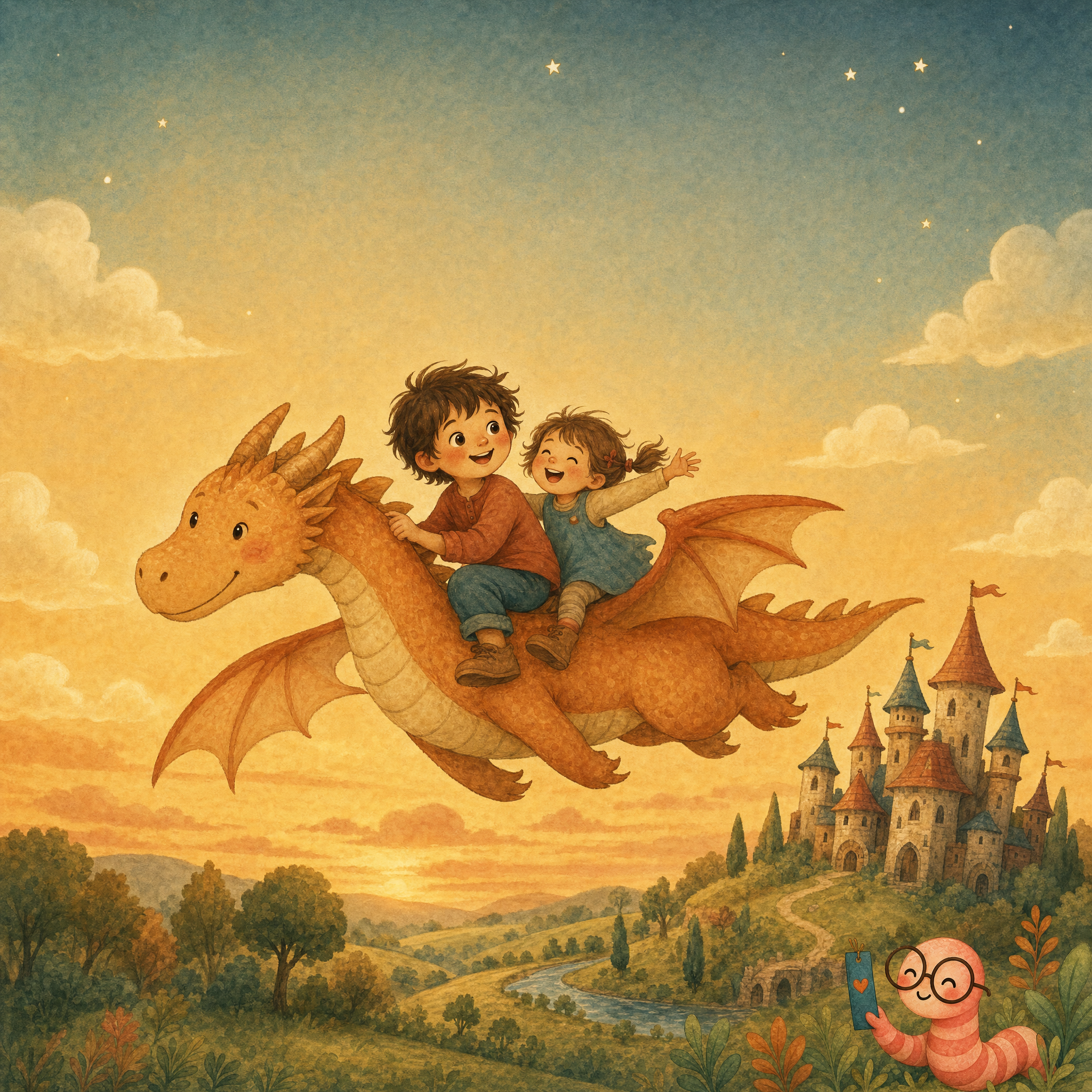
Cheddar the Dragon Lost His Fire
by Finn Bramble, age 6
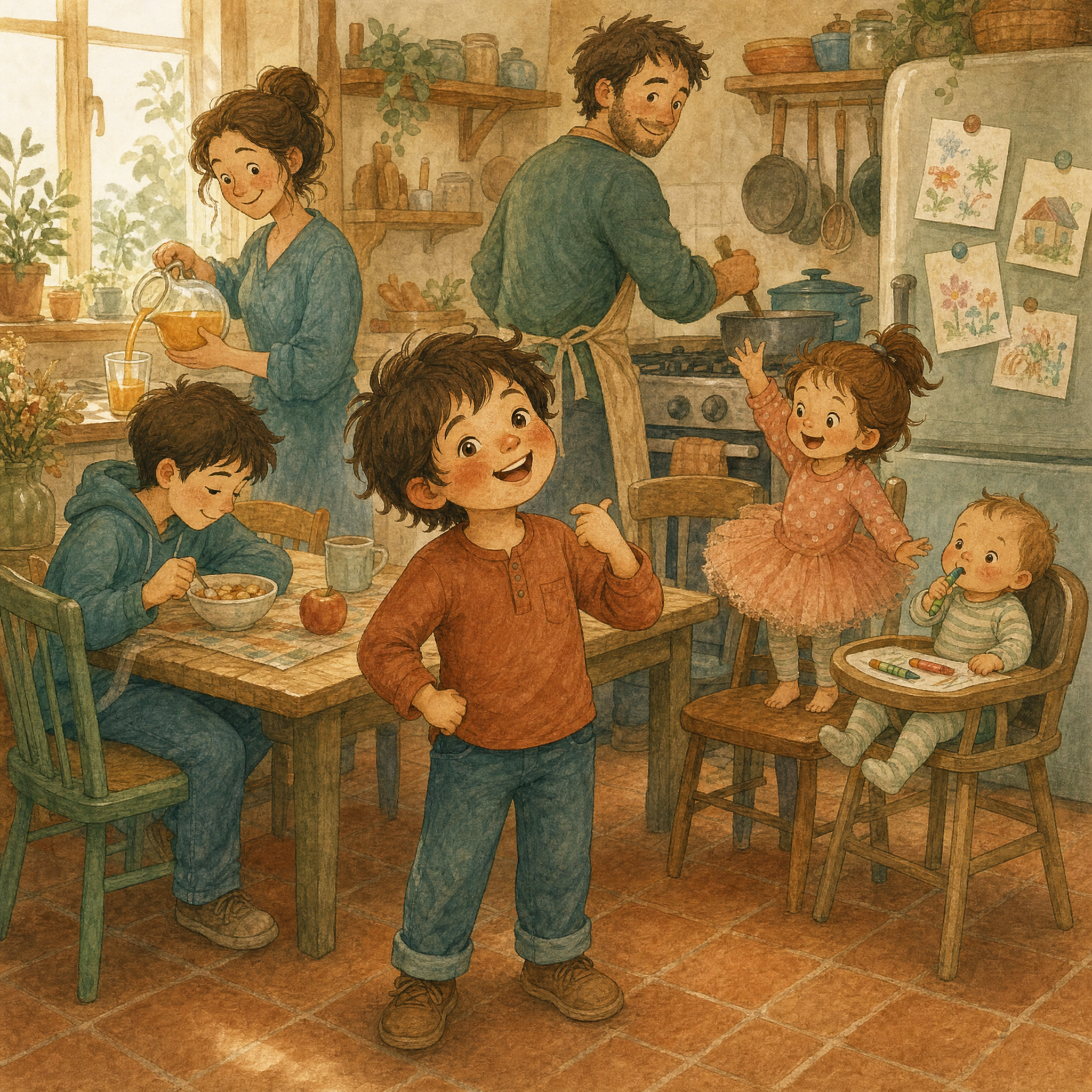
Page 1 of 27
We do not rewrite your kid.
This is the part everyone else gets wrong. It is very easy to make a six year old sound like a greeting card. We refuse to.
Kept
Invented words. Their rhythm. The weird parts. Repetition. Whatever they think is funny.
Fixed
Grammar that confuses a reader out loud. That is the entire list.
"We waited outside for seventeen hours. It got dark and Clemmie was scared but I was not scared. Okay I was a little scared."
Seventeen hours. A grown up would have cut that line. It is the best one in the book.
Built to swap, on purpose.
The voice
OpenAI Realtime runs the conversation. We picked it for a specific reason. Google's Gemini terms prohibit any app directed at people under 18, and that holds even through Vertex. OpenAI has an actual sanctioned path for products built for kids. It costs more per minute. We took it anyway.
The pictures
GPT Image 2. Every illustration on this page, and every page of the book above, already came out of it. What you are looking at is the real output, not a mockup of it.
Why the boy looks the same on every page
One character sheet gets generated at the start and passed as a reference into every single page render. That is the whole trick, and it is the reason a keepsake feels like a book instead of a slideshow.
The printing
Lulu. Real print cost is calculated against your exact page count and shipping address before your card is ever touched.
The grown up owns the account.
- You sign up. Your child never has an account of their own.
- Voice recordings are deleted the moment they become text. We do not keep them.
- Pip will not take a last name, an address, or a school. It redirects back to the story every time.
- No ads. No tracking pixels in kid mode. Nothing to sell to anybody.
- Nothing ships until we are running under a zero data retention agreement with our model provider. That means your child's words are never stored on their side, not even for abuse review.
One for the shelf. Or twenty for the family.
A single copy
8.5 inch square. Full color on every page. 24 pages, perfect bound paperback.
A family run
Up to 20 copies at a lower price each. Grandparents, cousins, the teacher, whoever needs one.
Your private message prints inside the front cover. Not a card tucked in later, actually printed into the book.
Pricing lands once we finish the print cost run. We are not going to guess at a number and walk it back later.
A private message on the inside cover
Before the book goes to print, you write a short note that only you and the person opening it will ever read. Grandparents tend to find it before the first page, and that is usually the moment the phone call happens.
"Grandma, Maya made up this whole story about you and a very stubborn whale. She asked me to send it to your house."
The birthday and Christmas present they keep forever
For grandma, grandpa, aunts, uncles, mum and dad. Not another toy, and not another thing that gets outgrown. A real printed picture book, told in your own child's voice, with their name on the cover and a private note inside. Order copies for the whole family at a discount.
Be first to make one
We are opening in small batches so every book gets the attention it deserves.